
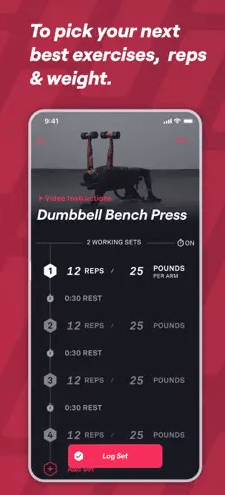
What’s supposed to set Fitbod apart (meant to justify the price point, in other words) is the promise of AI-powered customization. Fitbod automatically increases weight, reps, or sets over time based on your logged workouts. This ensures progressive overload without you needing to plan it yourself. What drew me to Fitbod initially was its promise of efficient, customized workouts. As someone juggling 30+ mile weeks with a full-time job, I didn’t have hours to spend in the gym figuring out what exercises to do or how many sets and reps were optimal.
Coachify
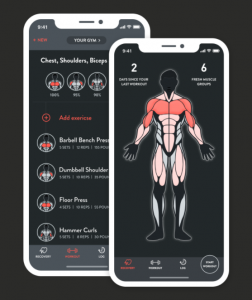
Similarly, I like how Fitbod is able to adapt to your environment. You can maintain separate profiles for home, gym, and travel scenarios, which totally eliminates the friction that would workout otherwise derail strength routines. The hotel room profile deserves special mention—as someone you travels a lot, I love a good ol‘ fashioned bodyweight routine.
Fitbod is excellent if you want the app to plan everything and adapt on the fly. You show up, hit „Start Workout,“ and follow the AI’s recommendations. This works great for beginners or people who don’t want to think about programming. For anyone struggling to stay on track or unsure of how to build progress in the gym, Fitbod offers a clear, no-BS solution that grows with you.
RepCount – Gym Workout Tracker
Leverage the latest science, expert guidance, and practical strategies to gain muscle, lose fat, and transform your body for good. No registration, payment method or even email (Google account) required, you can download all apps directly from your browser. Check out our previous comparison of Strong vs Hevy to see how those apps stack up.
Next, Fitbod will ask you what your ideal workouts and goals look like. You’ll then detail how much equipment you have in your vicinity and how well-equipped your gym is. Some use videos to show proper form, others give detailed descriptions. The Zing app can even use computer vision to track your movements. In any case, following the guides closely helps reduce the risk of injury. Fitbod is a great option for individuals who are looking to improve their overall fitness level.
For most people, two to four strength sessions per week is optimal. Research shows that training each major muscle group twice per week produces better results than once per week. More isn’t always better – recovery matters as much as the training itself. Personalisation – Does the app adapt to your level, equipment, and goals?
Alpha Progression – Best for Hypertrophy and Muscle Building
That would come out $6.67 per month, half the price of the monthly purchase. However, I’ve personally put Fitbod to the test, and today I will share its features, pros and cons, and my honest, professional views and experiences. No, you need a monthly subscription to use Fitbod which costs $12.99 per month.
Build Your Profile
Overall, though, users are happy with Strong and find it to be a helpful tool for their bodybuilding journey. Apple watch does not seem to be a good option either as some people are giving bad reviews and mentioning issues. More problematic is the occasional programming logic that, to me, defies basic training principles. The app sometimes prescribes multiple max-effort exercises for the same muscle group within a single session—such as heavy deadlifts followed immediately by Romanian deadlifts.
Is Fitbod Worth It?
Moreover, the app sometimes provides weight suggestions that do not align with an individual’s fitness level. This misalignment can lead to ineffective workouts or even potential injuries, as users may have to manually adjust the weights to suit their personal needs. Furthermore, the system requires users to manually prioritize muscle groups, which necessitates a certain level of understanding of fitness principles. While Fitbod does adapt to user input over time, it still relies heavily on the user’s knowledge to optimize the workout plan. This reliance can affect the effectiveness of the fitness plans, especially for those who are new to exercise routines.
Instead, the app includes educational articles focused on macronutrients and healthy eating. These resources can help users understand the basics of nutrition, such as the roles of proteins, carbohydrates, and fats in a balanced diet. However, for a comprehensive health management approach, users may need to seek additional resources for detailed meal planning. This could involve consulting with a nutritionist or using other apps that specialize in personalized dietary guidance. The combination of Fitbod’s workout plans and external nutritional resources can contribute to a well-rounded fitness regimen. Fitbod is often praised for its user-friendly interface; however, some users note several issues that may affect their workout experience.
Real reviews and photos of Fitbod users
When I tried following this suggestion, I think the combo led to completely unnecessary fatigue. I think the app’s clean, focused screens deserve special praise. I simply can’t stand cluttered fitness apps that assault you with badges and achievements. Maybe it’s just me, but I don’t want my strength coaching to feel like I’m doing a side quest in Duolingo against an onslaught of targeted ads. So, sure, I’d love to avoid the headache and learning curve of designing my own strength program. But do I really want AI to replace the nuanced decision-making of workout planning?
- Within the library of classes, you’ll find sessions devoted to lower-body, upper-body, full-body work, and conditioning.
- When I started working out in 2012, I did so with a cursory induction session and was left to my own devices.
- Fitbod will adapt your workouts based on what you have access to—whether at home or traveling.
- With Dr. Muscle, you’re not just working out; you’re following a science-backed path to success.
- Plus, there are new programs added every month, so you’ll never get bored.
- To sum it up, Fitbod has over 900+ exercises with demo videos, instructions, and ultimate workout plans.
App store reviews of Strong
With its advanced AI technology, Fitness AI creates personalized workout plans based on your individual needs, current fitness level, workout history, and personal goals. This app acts as your virtual personal trainer, guiding you through your workouts and helping you achieve optimal results. Zing AI is an exceptional AI workout app that offers personalized training plans and an intuitive interface, making it a top choice for those looking to achieve their fitness goals.
The 12 Best Workout Apps Of 2025, To Conquer Every Fitness Goal
Additionally, the app’s rep suggestions often fail to account for individual needs, as they lack the necessary personalization. The system’s limited adaptability to user feedback can further skew results, making it difficult for users to achieve optimal accuracy and alignment with their personal fitness levels. Consequently, users may find themselves needing to make manual adjustments to better tailor the app’s recommendations to their specific requirements. Nike Training Club remains one of the most polished free fitness apps available. It offers a large library of strength workouts led by qualified coaches, with sessions ranging from 10 to 45 minutes across beginner, intermediate, and advanced levels. The app’s standout feature is its volume and intensity management.
When evaluating a workout app like Fitbod, it’s important to consider both its advantages and potential limitations. Fitbod utilizes adaptive AI technology, offering personalized exercise routines that many users find appealing. Its user-friendly design enhances accessibility, making it easier for individuals to engage with their fitness plans.
Fitbod Workout & Gym Planner
It creates personalised training plans based on your goals, available equipment, and training frequency, with a particular focus on hypertrophy – building muscle size. One of the key features of Fitness AI is its ability to generate customized workout plans that are tailored specifically to your abilities and goals. This ensures that you are consistently challenged and making progress towards your desired outcomes.